

Things To Keep In Mind When Choosing To Go With EV
As you enter the car shopping market, you’re faced with many choices: makes, models, options, colors, styles, and energy types. A major decision today is whether to choose a Battery Electric Vehicle (BEV), commonly known as an EV. EVs are powered by electricity stored in a battery, which is recharged for repeated use. In this article, excluding social or climate discussions, we’ll examine the benefits and drawbacks of owning an EV, focusing on usability. The key question is: Will an EV be a better vehicle option for you and your family compared to gas-powered cars? We’ll also address myths and misinformation about EVs. EVs are a hotly debated topic in the automotive industry, and we hope this discussion provides clarity to help you decide.
Why an EV Might Not Be Right for You
Let’s start with the reasons an EV may not suit your needs. A fair discussion must include both pros and cons, so here are some reasons why an EV might not be the best choice.
No Personal Charger: Lacking a home or workplace charger can lead to a frustrating EV ownership experience. Relying on public chargers is less than ideal, as availability can be inconsistent. While charging infrastructure is expanding and the future looks promising, depending solely on public chargers often results in a lackluster experience. Additionally, public charging costs may offer little to no savings compared to gasoline.
Long-Distance Driving: Road trips with an EV are possible but require planning and may extend travel time. While we all love a spontaneous road trip, EVs may limit you to routes with available chargers. However, EVs offer a smooth, quiet, and powerful driving experience, making road trips enjoyable with proper planning. Be prepared for longer travel times due to charging stops.
Range Loss in Hot and Cold Weather: Extreme temperatures affect EV battery range. Cold weather can reduce range by 20% to 40%, while hot weather may decrease it by 5% to 20%. Additionally, charging times can increase in extreme climates, creating a double challenge. That said, millions of EVs operate successfully in hot and cold climates. Preconditioning the battery is crucial in these conditions and is a standard part of EV ownership.
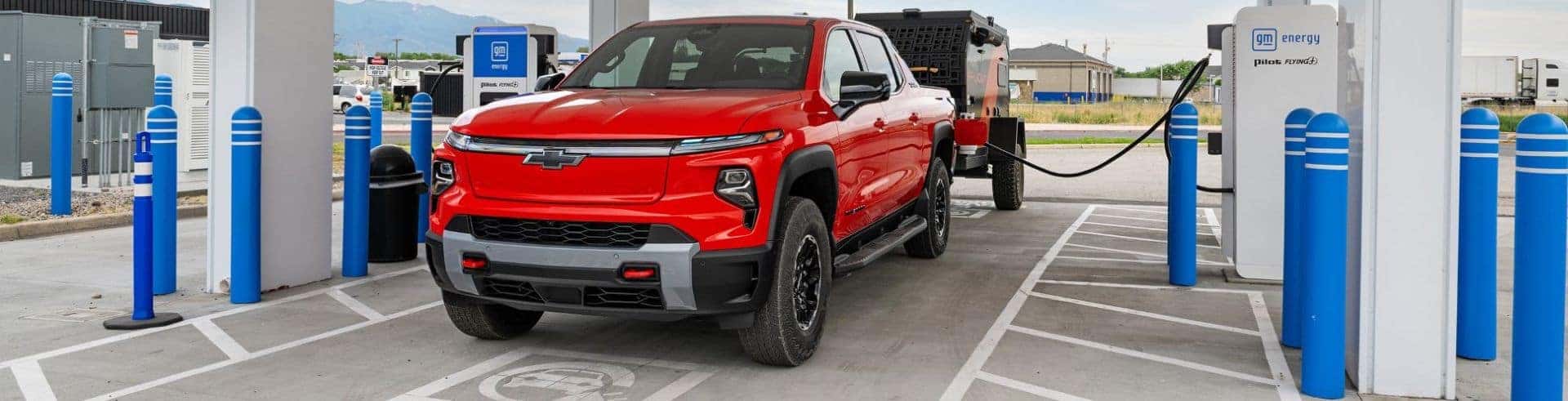
Towing Range Loss: Towing significantly impacts EV range, reducing it by 30% for light loads and up to 60% for heavier ones. However, 75% of truck owners tow only once a year or not at all, with just 25% towing more frequently. For frequent towers considering an EV, models like the Chevrolet Silverado EV and Cadillac Escalade IQ offer over 450 miles of range, making them viable options.
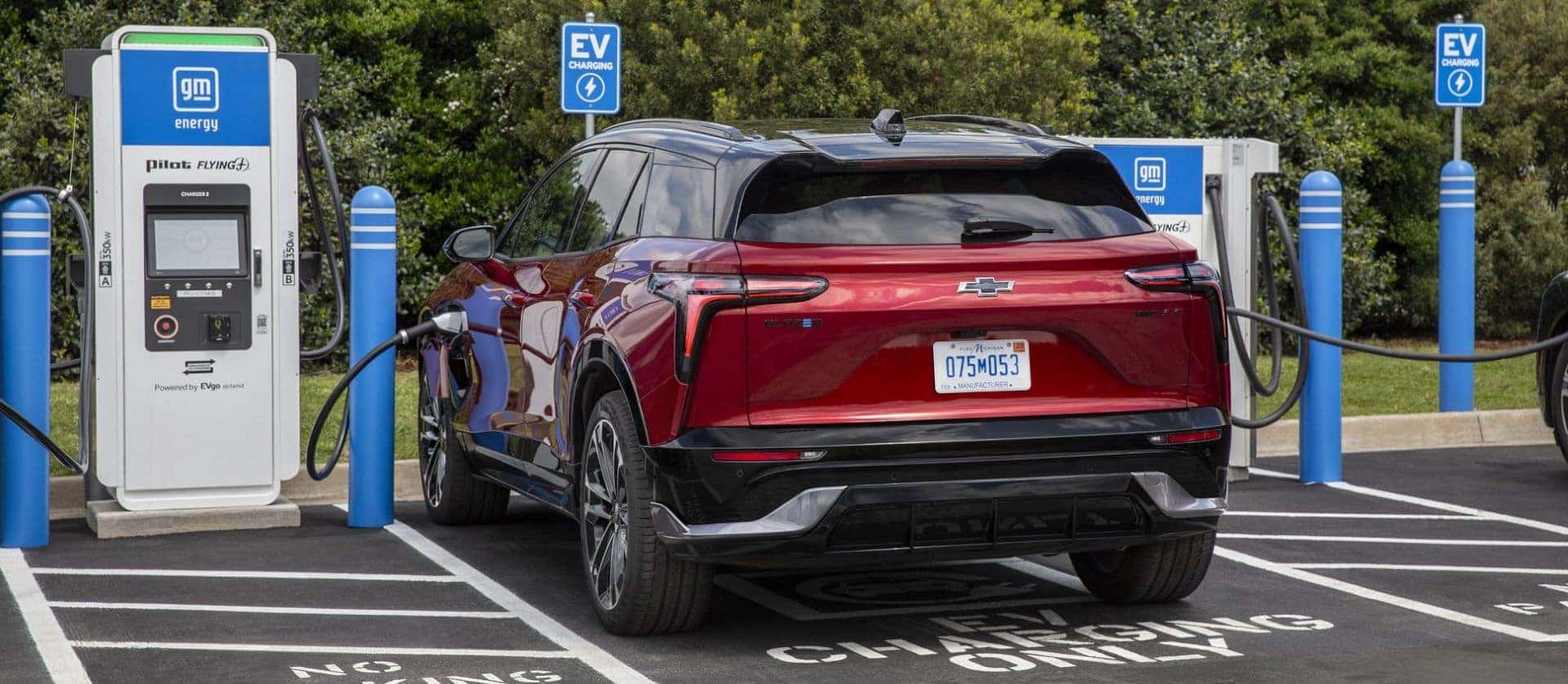
Long Charging Times: Charging an EV takes much longer than filling a gas tank. A gas-powered internal combustion engine (ICE) vehicle can be refueled in minutes, while a public EV charger may take 30 minutes or more to charge from 10% to 80%, depending on the vehicle. Home charging, however, is a key advantage. Overnight charging at home acts like a personal gas station, albeit slower. There are two home charging types: Level 1 (120V, standard outlet) and Level 2 (240V, dryer-type outlet). Level 1 is very slow, providing 30 to 50 miles of range overnight, while Level 2 can fully charge an EV overnight. Regardless of the method, EV charging requires patience.
Limited Public Chargers: Public EV charging stations are not as widespread as gas stations. The U.S. has over 200,000 public chargers, with numbers expected to grow. Major highways and cities generally have sufficient chargers, but rural areas and remote locations may have limited options. EV drivers must plan routes carefully to avoid being stranded in areas with scarce charging infrastructure.
EV Myths and Misinformation
EVs are disruptive and controversial leading to myths and misinformation in media and online discussions. Here, we provide context to address common misconceptions.
Range Anxiety: Many drivers worry about “range anxiety” the fear of running out of charge without a nearby charger. Treating an EV like a gas car (driving until empty) can lead to this issue. Unlike gas vehicles, EVs require planning. However, the average American drives 37 miles per day, while the average new EV offers 300 miles of range, with General Motors’ Chevrolet and Cadillac EVs averaging 359 miles. This means most EV drivers can go a week or more without charging. Even with a slow Level 1 charger, overnight charging typically meets daily driving needs. Range anxiety is manageable with proper planning.
Battery Replacement Costs: EV batteries are the most expensive component, with replacement costs ranging from $10,000 to $30,000. This is comparable to replacing an engine or transmission in an ICE vehicle, which is rare. Battery replacements are equally uncommon, occurring in only 1%–2% of EVs. Advances in technology are further reducing this likelihood. General Motors’ Chevrolet and Cadillac EV batteries are designed to last 8–15 years or 100,000–200,000 miles, with warranties covering 8 years or 100,000 miles if capacity falls below 60%–70%. Battery replacements are as rare as major ICE mechanical repairs, if not rarer.

Lack of Charging Infrastructure: The fear of finding a non-working charger is real for some EV owners. While some charging networks are more reliable than others, charger downtime is a real and valid concern. However, in major metropolitan areas and along main highways, finding a public charger is typically not an issue. Rural or remote travel requires careful planning. A Level 2 home charger is ideal and with proper trip planning, charging issues are generally an edge case.
EVs Are More Expensive: EVs often have a higher upfront MSRP than comparable ICE vehicles. However, the total cost of ownership (TCO) can be lower due to reduced maintenance and cheaper home charging, especially at off-peak rates. Electricity costs vary but EVs generally cost less per mile to operate than gas vehicles. Future fuel and electricity prices are uncertain, but for now, EVs offer savings in many cases.
EV Batteries Are Bad for the Environment: EV batteries do contain materials like nickel, cobalt, lithium and electrolytes, which can be hazardous. However, ICE vehicles do produce harmful emissions like carbon monoxide, nitrogen oxides and particulate matter during operation. Both ICE and EV do contain industrial material and emissions where are know to be hazardous to living forms. However, EV batteries are over 90% recyclable and no tailpipe emissions are produced during use. Unlike ICE vehicles, which can be dangerous in enclosed spaces, EVs pose no such risk. Heating and cooling can be ran with an EV in an enclosed areas. If environmental impact is a priority, EVs may be a better choice if taken in total.
Reasons To Own an Electric Vehicle
In the right circumstances, an EV can be an ideal, even luxurious and is a better choice. Studies have shown over 85% of EV owners say they would consider buying another EV citing these numerous benefits.
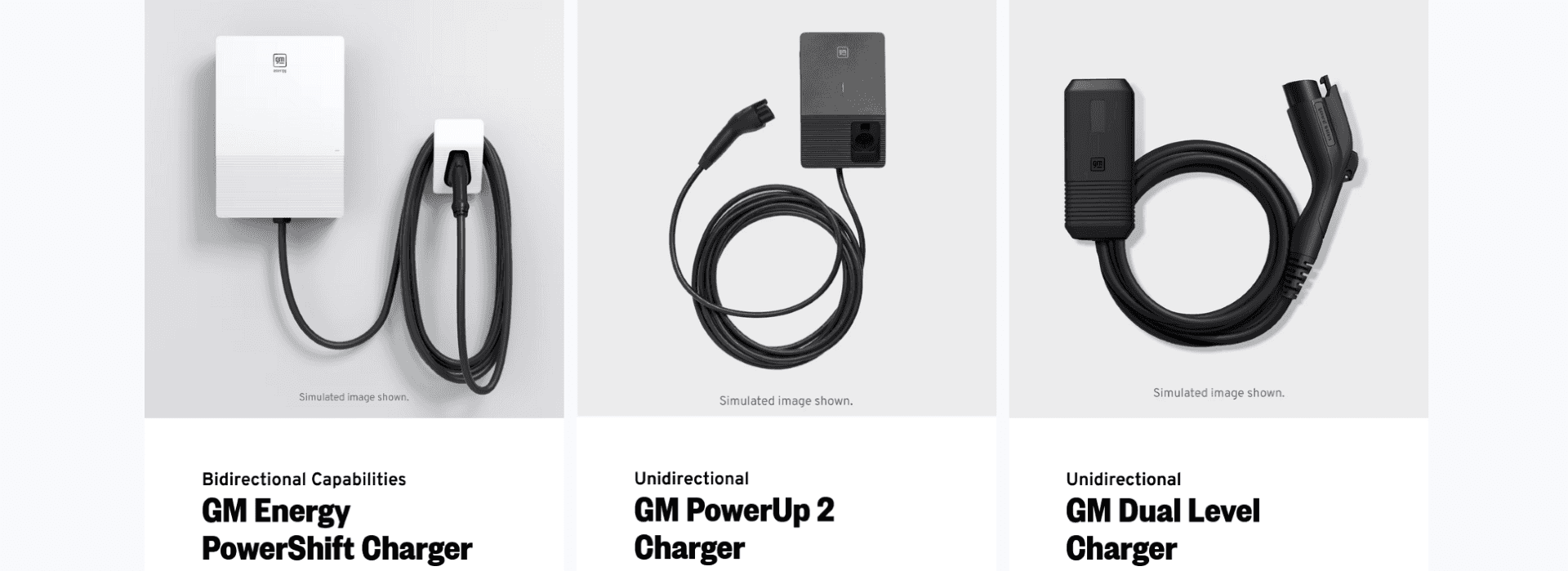
Charging at Home and Nearly Anywhere: Home charging is a major advantage of EV ownership, akin to having a personal gas station. With a Level 2 (240V) charger, an EV can be fully charged overnight or gain enough charge for a day’s driving in under two hours. Level 1 (120V) charging is slower but viable with planning. They key distinct advantage for Level 1 is every home has an available 120V outlet. Up to 86% of EV owners rely solely on home charging. Mobile chargers, often capable of both Level 1 and Level 2 charging allow EV owners to charge nearly anywhere even at places like Airbnbs or campsites, making charging widely accessible.
Joy of Driving and Comfort: EVs offer instant torque, delivering quick and satisfying accelerations. They outperform many ICE vehicles in horsepower and responsiveness, making driving fun and effortless. EVs are also extremely smooth and quiet, with no transmission shifts or engine vibrations. Many EV drivers report a calmer, more relaxed driving experience.
Low Cost of Ownership: EVs can be cheaper to own and operate than ICE vehicles, depending on vehicle type, location, and electricity/gas prices. EVs can cost up to one-third less to run, thanks to lower “fueling” costs of electricity and minimal maintenance. EVs require no oil changes, belts, nor spark plugs and their brakes last longer due to regenerative braking. EV’s stopping energy is used to recharge the battery.
Bravo Auto Group is one of the top automotive retailers in the West Texas and Southern New Mexico areas. Though we’ve sold 1000’s of vehicles over the years, our mission has always been to offer personal transportation at the Right Car and at the Right Price. We believe in personal choices and preferences. Most important is that you are happy with your purchases. Our efforts are to lay out your best options and let you choose. Our view on Electric Vehicle is that it’s not for everyone. But for many, EV offers one of the best personal transportation ownership experiences. Your long-term happiness is our top focus whether you choose and EV or ICE.
Note: This article was not written on AI. Grok was used for research and proofread.